

Filters
QUICK LINKS
Shop Bondage Gear in Canada





QUICK LINKS
FAQ
A pair of cuffs, a soft blindfold, or a thoughtfully chosen bondage kit can introduce an entirely different dimension to intimate experiences. Bondage gear brings together accessories designed for consensual restraint, sensory exploration, and creative role-play, with options ranging from simple beginner-friendly pieces to more elaborate BDSM equipment. Whether you're discovering this world for the first time or adding something new to an established collection, the right accessories can make the experience feel more personal, comfortable, and intentional.
Bondage Gear: Discover What Makes Every Accessory Different
There's something intriguing about a product that changes an experience without needing complicated technology. A blindfold can shift attention toward sound and touch, while a pair of padded cuffs introduces a completely different element of interaction.
That's part of the appeal of bondage gear. The accessories may look simple, but their purpose, construction, and fit can vary considerably.
Some people are interested in light restraint and sensory play. Others enjoy collecting BDSM accessories that complement a particular aesthetic or role-playing scenario.
Neither approach requires purchasing an elaborate collection of equipment.
A few carefully selected pieces can be more useful than an oversized kit filled with accessories you don't particularly want.
At The Cold Lady, you can explore different styles of bondage gear, compare their features, and find products that match your interests and experience.
What Is Bondage Gear?
Bondage gear is a broad term for accessories used in consensual activities involving restraint, restricted movement, or sensory experiences.
It can include wrist cuffs, ankle restraints, blindfolds, bondage rope, collars, and specialized restraint systems.
The category also overlaps with the wider world of BDSM gear, which encompasses accessories associated with bondage, discipline, dominance, submission, and related consensual practices.
Not every BDSM accessory is technically a restraint, however.
A blindfold changes visual awareness without restricting movement, while a decorative collar may serve a symbolic or aesthetic purpose rather than a physical one.
Understanding these distinctions helps you choose products according to their actual functions.
The most important consideration is always whether an accessory is appropriate for the intended activity and can be used with informed consent and suitable safety precautions.
Explore Different Types of Bondage Gear
One of the advantages of a broad bondage collection is the opportunity to compare different accessories in one place.
Some products are designed to work independently, while others are sold as coordinated sets.
Bondage Handcuffs and Wrist Restraints
Wrist restraints are among the most recognizable pieces of bondage equipment.
They come in a variety of designs, including padded cuffs, adjustable straps, and traditional handcuff-inspired styles.
Soft-lined models may offer a different fit from rigid metal cuffs, although comfort depends on construction and sizing rather than appearance alone.
When shopping for bondage cuffs, pay particular attention to the closure system.
A suitable restraint should be adjustable where appropriate and allow prompt release without complicated procedures.
Avoid products that create excessive pressure, restrict circulation, or place unnecessary strain on the wrists.
Ankle Cuffs and Leg Restraints
Ankle restraints expand the range of available bondage accessories beyond wrist-focused designs.
Some are sold individually, while others form part of matching wrist-and-ankle restraint sets.
Materials, closure mechanisms, and connection points vary between products.
A padded ankle cuff may feel different from a narrow strap, and a wider design isn't automatically suitable for every person.
Check the manufacturer's sizing information and intended use before purchasing.
Restraints should never cause numbness, tingling, discoloration, or pain.
Bondage Blindfolds and Sensory Accessories
Not everyone interested in bondage wants to begin with physical restraints.
A bondage blindfold offers another way to explore consensual sensory experiences without restricting the hands or legs.
Available designs may include satin-style eye masks, padded blindfolds, and adjustable accessories made from different materials.
Some shoppers prefer a soft, lightweight covering, while others look for a more structured design.
Fit matters because excessive pressure around the eyes or an uncomfortable strap can quickly become distracting.
Choose a product that can be removed easily and does not interfere with breathing.
Bondage Rope and Restraint Straps
Bondage rope has a distinctive place in BDSM culture, particularly in practices involving decorative rope arrangements and consensual restraint.
Different products may use cotton, synthetic fibers, or other materials, each with its own surface characteristics.
However, rope requires more knowledge and preparation than many ready-made cuffs.
Improper placement or tension can injure nerves, restrict circulation, or create other serious risks.
Beginners should seek appropriate safety education before attempting rope restraint and should avoid suspension or any arrangement involving the neck.
For those who prefer less complicated equipment, purpose-designed adjustable restraint straps may offer a more straightforward alternative.
Bondage Collars and Leashes
Bondage collars can be decorative, symbolic, or designed for particular consensual role-playing contexts.
Some feature simple buckles and smooth finishes, while others incorporate metal rings or matching accessories.
A collar's appearance doesn't establish whether it is suitable for physical restraint.
Products worn around the neck should never be used to apply choking pressure, support body weight, or create dangerous tension.
If a collar includes a leash or attachment point, follow the manufacturer's intended-use guidance and avoid pulling that could injure the neck.
For many shoppers, the appeal of a collar lies in its style and symbolic meaning rather than any restrictive function.
Bondage Kits and Restraint Sets
A bondage kit can be an appealing option when you want several coordinated accessories without selecting every piece individually.
Some sets contain wrist restraints and a blindfold. Others may include ankle cuffs, adjustable straps, or additional accessories.
The contents vary considerably, so it's worth checking exactly what is included.
A kit advertised as suitable for beginners isn't necessarily appropriate for every first-time user.
Consider the construction and safety features of each component, especially the release mechanisms.
A smaller set with practical, well-made accessories may be a better purchase than a larger collection of unfamiliar items.
Under-Bed Restraints and Bed Bondage Accessories
Under-bed restraint systems are designed to provide attachment points around a bed or mattress.
Some products use adjustable straps that fit beneath a mattress, while others feature different configurations.
These systems are distinct from ordinary wrist cuffs because they involve additional positioning and attachment considerations.
Before purchasing, check the manufacturer's installation instructions, compatible bed dimensions, and recommended use.
Never improvise attachment points or assume that a system is suitable for supporting body weight.
Quick-release access and avoiding pressure on joints, nerves, and circulation are essential.
How to Choose the Right BDSM Gear
Shopping for BDSM gear becomes easier when you start with the experience you're interested in rather than choosing accessories solely by appearance.
A person curious about sensory play may have very different priorities from someone looking for a coordinated restraint set.
Before adding products to your cart, consider the following:
-
Purpose. Decide whether you want sensory accessories, wrist or ankle restraints, decorative pieces, or a coordinated bondage kit. Products that look similar may have different intended uses.
-
Material and construction. Review fabric, leather, synthetic materials, padding, seams, and hardware. A polished appearance does not automatically guarantee comfort or durability.
-
Fit and adjustability. Look for clear measurements and suitable adjustment options. Restraints should not create excessive pressure or interfere with circulation.
-
Release mechanism. Choose products that allow quick, reliable removal, including if the wearer cannot release them independently.
-
Experience level. Simple accessories may be more manageable for newcomers, while specialized equipment can require additional training.
-
Care instructions. Consider how the product should be cleaned and stored, especially when it includes fabric lining, metal components, or multiple materials.
The most expensive accessory isn't necessarily the most appropriate one.
A practical design with clear specifications and dependable safety features is often a better starting point.
Bondage Gear for Beginners: Where Should You Start?
Entering the world of bondage doesn't require an elaborate setup or a collection of unfamiliar equipment.
Many beginners are more comfortable exploring one accessory at a time.
A soft blindfold can introduce sensory play without physical restraint, while purpose-designed padded cuffs may appeal to adults who are interested in consensual restriction of movement.
The key is choosing something both participants understand and feel comfortable using.
A few approachable options include:
-
Soft bondage blindfolds. These can introduce sensory changes without requiring complex equipment. Look for comfortable materials and a secure but easily removable fit.
-
Padded wrist cuffs. Adjustable, quick-release designs may be easier to evaluate than rigid restraints. Proper sizing and avoiding pressure on nerves and circulation remain essential.
-
Small bondage kits. A simple set can help you compare a few related accessories. Check every included component rather than assuming the entire kit is suitable for beginners.
Before using any restraint, discuss boundaries, establish a clear stop signal, and make sure the restrained person can be released immediately.
Never leave someone restrained unattended.
There is no need to progress toward more complicated equipment unless everyone involved genuinely wants to.
Bondage Accessories for Couples
Bondage accessories can be part of shared exploration when both partners are interested and have discussed their expectations.
For some couples, the appeal is the novelty of introducing a blindfold or a new accessory.
Others may enjoy the visual style of matching cuffs, collars, or coordinated restraint sets.
The products themselves are only one part of the experience.
Communication determines whether an activity feels comfortable, enjoyable, and respectful.
Discuss which accessories are welcome, which activities are off-limits, and how either person can stop the activity at any time.
A verbal safeword can be useful, but an agreed nonverbal signal is also important whenever speaking may be difficult.
Avoid equipment that interferes with breathing or prevents someone from communicating distress.
Materials and Design: What Makes Good Bondage Equipment?
Two pieces of bondage equipment can look nearly identical in photographs but differ significantly in construction.
A wrist cuff might feature soft interior padding, while another relies on a narrow, unlined strap.
The hardware may also differ, including buckles, snaps, rings, and other connecting components.
These details affect how the product fits and how easily it can be removed.
For fabric and synthetic accessories, inspect seams and edges for rough areas that could irritate the skin.
For metal components, look for smooth finishes and secure construction without sharp edges.
Leather and leather-like materials may require different cleaning methods, so check the manufacturer's instructions before use.
It's also important to distinguish decorative accessories from equipment designed for physical restraint.
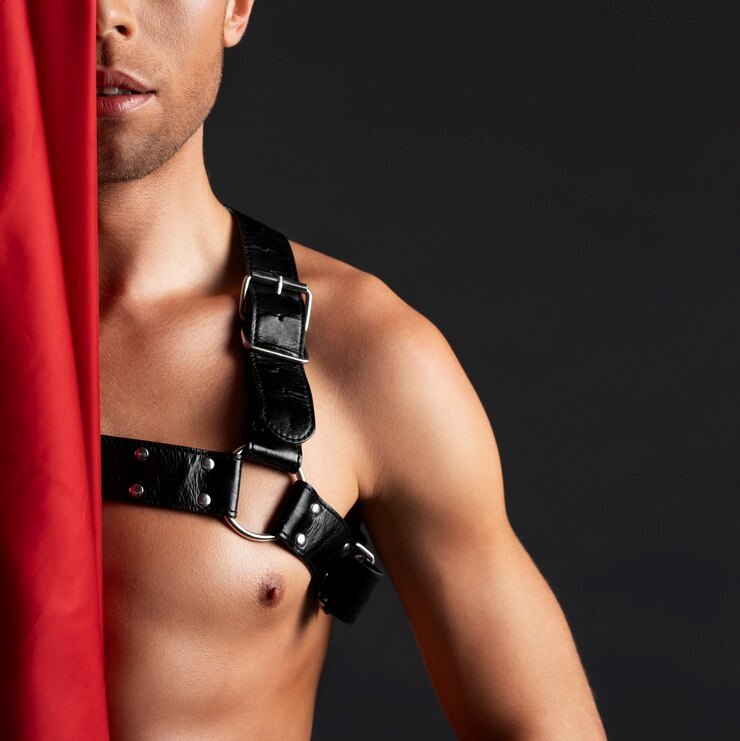
A collar, harness, or metal ring should never be assumed suitable for load-bearing activities simply because it appears sturdy.
Safety and Consent: The Essentials of Bondage Play
Bondage activities require preparation, communication, and attention to physical safety.
Even simple restraints can become dangerous if they are too tight, difficult to remove, or used without monitoring the wearer's comfort.
Everyone involved should be an informed, consenting adult, and consent can be withdrawn at any time.
Before using bondage gear, agree on boundaries and a reliable way to stop.
Keep release mechanisms accessible and appropriate safety tools nearby when the equipment requires them.
Avoid restraint positions that compromise breathing, strain joints, or place prolonged pressure on nerves.
Never leave a restrained person alone, and do not use bondage equipment while impaired by alcohol or other substances.
If someone experiences pain, numbness, tingling, discoloration, dizziness, or breathing difficulty, stop immediately and remove the equipment.
Specialized activities such as rope suspension require training and should not be attempted with ordinary bondage accessories.
The goal is not to endure discomfort or prove experience. It's to make informed choices and maintain control over personal boundaries.
How to Clean and Store Bondage Gear
Proper care helps maintain the condition of bondage accessories and makes it easier to inspect them before each use.
Cleaning methods depend on the materials involved.
A silicone accessory may require different care from leather cuffs, fabric blindfolds, or products with metal hardware.
Always follow the manufacturer's cleaning instructions, especially when an item contains several materials.
For suitable washable surfaces, mild cleaning products may be appropriate, but not every accessory should be submerged in water.
Allow cleaned items to dry completely before storing them.
Keep bondage gear in a clean, dry location away from conditions that could damage its materials.
Check straps, seams, buckles, and release mechanisms regularly.
If an accessory shows significant wear, damaged hardware, or unreliable closures, discontinue its use.
Explore Bondage Gear at The Cold Lady
One of the most interesting things about bondage gear is the variety of accessories available.
A soft blindfold, a pair of padded cuffs, and a coordinated restraint kit may belong to the same collection, yet each offers a different function.
At The Cold Lady, you can explore available BDSM gear and compare products according to their intended use, materials, sizing, and construction.
If you're looking for something more specific, related collections such as Bondage Blindfolds & Restraints can help narrow your search.
You may also want to explore dedicated categories for bondage collars, cuffs, rope, or BDSM accessories when available.
These more focused collections make it easier to find a particular type of equipment without sorting through unrelated products.
Shop Bondage Gear Online
The right bondage gear should reflect your interests, experience, and personal boundaries.
Whether you're considering a simple blindfold, a pair of adjustable cuffs, or a coordinated bondage kit, taking time to understand the product is always worthwhile.
Compare materials, fit, release mechanisms, and intended-use instructions before making your choice.
Explore the Bondage Gear collection at The Cold Lady and discover accessories for consensual sensory exploration, role-play, and thoughtfully planned BDSM experiences.